
Breaking the cycle of poverty through education and skills in Kenya's under-resourced areas.

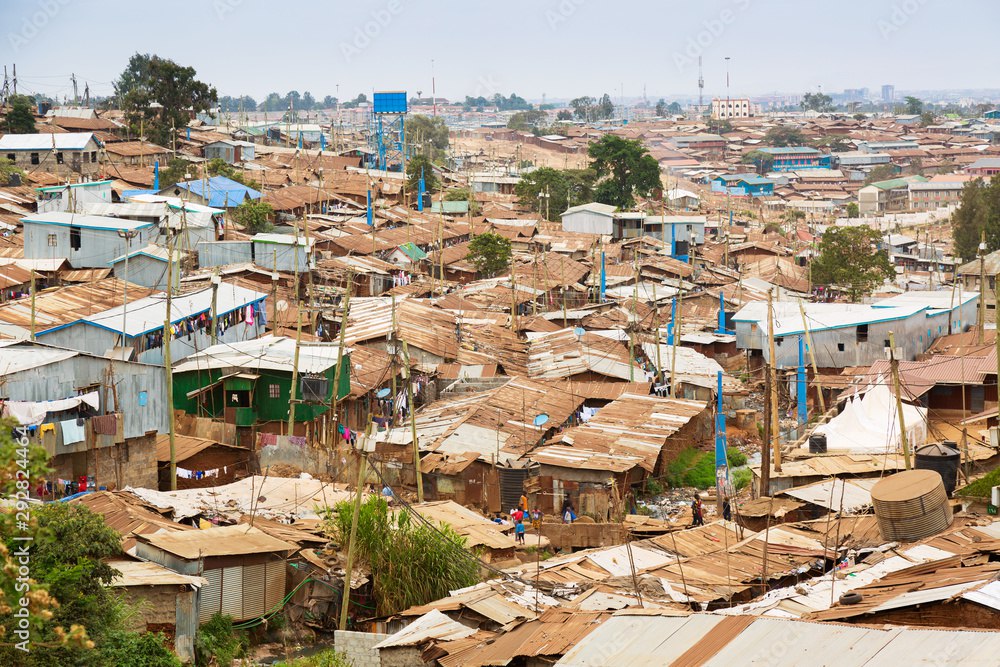
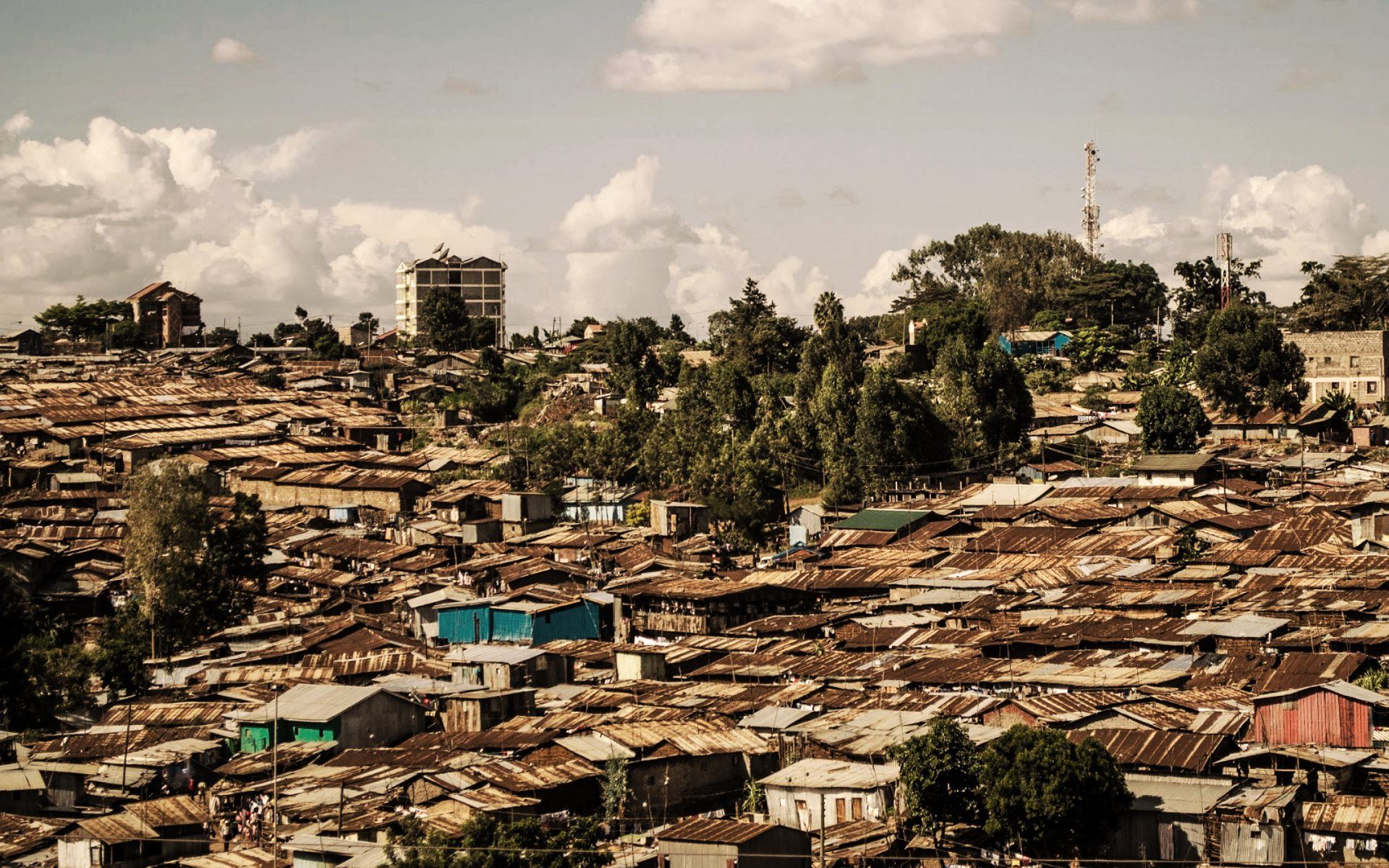
There are 2.5M Nairobi residents in informal settlements (60% of population). Majority are young people. In Kibera slum, Africa’s largest urban slum and other low income areas of Kenya, abject poverty traps young people in a cycle of poverty and limited potential. With most children and youth lacking essential educational resources like school fees, books, computer literacy: 75 % of school dropouts are due to financial constraints, Majority fail to transition to higher education. Girls are the most vulnerable, often married off young, their dreams and dignity traded for dowry. According to UNICEF data, approximately 23% of girls in Kenya are married before their 18th birthday. This means nearly a quarter of girls in the country experience child marriage. As a result, they lack the skills for formal employment and capital for entrepreneurship.

Kibera Slum

In Kibera alone, 50 % of the youth end up unemployed while 50 % are unemployed working in unskilled labour paying less than a dollar a day. With the few who manage to navigate through education, the lack of emphasis by our education systems on critical thinking, innovation , problem solving, digital literacy, and entrepreneurship fails to prepare young people to face the challenges of the world and job market that is constantly changing. Quality education has the power to transform lives, and can be a tool for young people to be who they want to be and create sustainable futures for themselves. We believe that every child, girl, and youth should have access to these opportunities and resources and poverty should not be a limitation.

Our solution

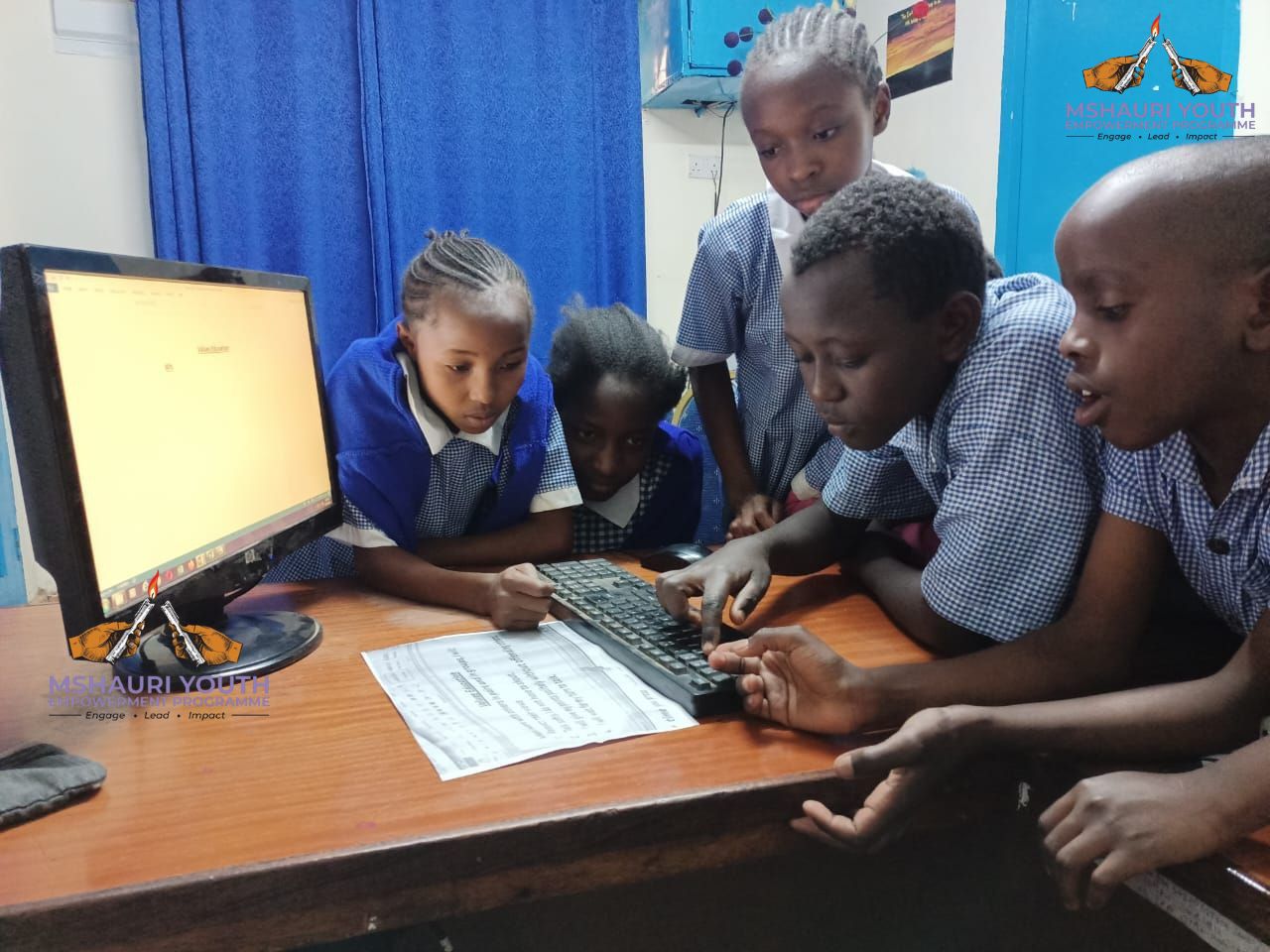
We target low income and marginalized communities who would otherwise lack these resources. Through our literacy program, we set up free access community libraries, computer labs offering STEM and scholarship programs for girls. Through our YES program, we target youth who have completed high school but are not able to transition to higher education due to financial constraints. We train them on digital, vocational, entrepreneurship and job readiness skills. Furthermore, our trainees have immediate employment opportunities at our factory where they make products based on their skills. Through our business lab, we support young entrepreneurs post training with $ 100 microgrants and support to set up their own businesses. 70 % of our beneficiaries are women and girls.

Our Vision

Quality education and decent employment for marginalized communities.

Our Mission

To provide education resources, technical skills training and employment opportunities to marginalized
communities in order to alleviate poverty.

Theory of Change

If we provide marginalized communities particularly girls and youth with access to quality education and
technical skills training, then they will have marketable skills and better job prospects. If we support
them in job placement or entrepreneurship, ongoing mentorship and business guidance, then they are
likely secure employment or start their own ventures. If they are able to acquire employment with
decent incomes then they are likely to be financially self-reliant. Graduates will also become mentors to
others in an apprenticeship model, creating a sustainable cycle of empowerment. As a result the cycle of
limited opportunities for marginalized youth will be broken and marginalized communities will
experience increased economic opportunities and reduced inequality. In the long run, we will alleviate
poverty altogether by eliminating barriers to accessing opportunities for all youth through sustainable
empowerment.

SDG 1

We strive to alleviate poverty among marginalized communities by providing access to quality education, training and economic opportunities.
SDG 4

We strive to provide access to libraries with curriculum and extra- curricular books, establish computer labs with digital literacy programs, mentorship sessions to address psychosocial aspects that affect children while in school and scholarships to allow access to secondary school education.
SDG 5

We work to ensure girls have access to quality education and economic opportunities to earn a decent income.
SDG 8

We offer technical skills training to youth and girls, help them acquire jobs and set up their own business, access markets for their products in order to earn a decent income.
SDG 17

We work with like communities, organizations and schools who share in our vision to achieve our mission.

Scroll to Top